
There’s something about spotting an ant trail in your kitchen—or worse, hearing the faint sound of scratching in the wall at night—that makes your sense of calm instantly vanish. And no, you’re not imagining it. Pests have a knack for showing up where they’re least welcome—and often when you’re least prepared to deal with them.
But here’s the truth: pest issues don’t mean your home is “dirty” or neglected. In fact, most households deal with at least one type of pest issue throughout the year. The key isn’t panic—it’s prevention, consistency, and knowing which tools and strategies actually work.
So let’s walk through a calm, smart, and manageable way to handle everything from ants and roaches to mice and moths—without falling into expensive or unnecessary overkill.
According to the National Pest Management Association, 85% of U.S. homes experience a pest problem annually, with ants, spiders, and cockroaches topping the list. Before you can treat, you need to identify. Most household pests are seasonal opportunists—they show up when conditions are just right. That’s why it helps to recognize who you’re dealing with.
Ants are tiny but persistent. They’re attracted to crumbs, sugar, and even pet food. Once they find a source, they leave a scent trail for the rest of the colony to follow.
Roaches love moisture and dark spaces. Think under the fridge, behind the stove, or near leaky pipes. Even the cleanest homes can attract them if there’s water and shelter available.
Did you know that American cockroaches, like other pests, are attracted to certain alcoholic drinks? Beer is a particular favorite due to the sugar and hops it contains.
Rodents are experts at squeezing through tight gaps. They’ll nest in basements, attics, and behind walls, looking for warmth, food, and materials to burrow in.
Houseflies are a common annoyance, particularly in warmer months. They reproduce quickly and are known carriers of several diseases due to their attraction to waste and decaying organic material.
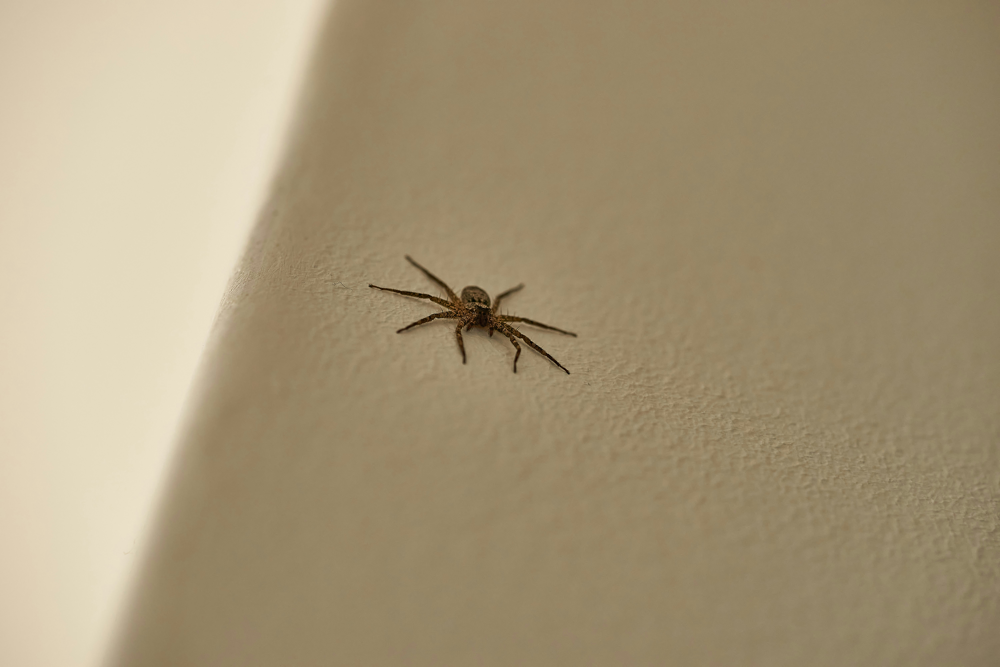
While most spiders are harmless, their presence can indicate that you’ve got other insects inside (which spiders feed on). So, spotting spiders is sometimes a sign that your pest control system has a weak link.
Here’s the heart of good pest control: don’t invite them in to begin with. While you can’t control every factor (like seasonal shifts or nearby construction), a few basic practices can make your home a lot less welcoming to pests.
Pests aren’t just looking for crumbs—they’re searching for moisture. Even a small puddle under the sink or condensation on your windows can become a pest magnet, especially for roaches, silverfish, and ants. Regularly check areas like bathrooms, under kitchen sinks, and basement corners for leaks or humidity buildup.
The way you store food—especially dry goods—can be the difference between a clean pantry and a pest infestation. Pantry moths, ants, and beetles can chew through cardboard and thin plastic packaging with ease. Transferring flour, rice, cereal, and pet food into airtight containers (think glass or BPA-free plastic) helps block access and prevents spreading if one item is compromised.
It’s not always about what's inside your home—sometimes the issue is how easy it is to get in. Rodents can squeeze through gaps the size of a dime, and insects can slip through tiny cracks in window frames, vents, and door jambs. Walk the perimeter of your home, both inside and out, and use caulk, weather stripping, or steel wool to seal any visible openings.
Pay special attention to utility pipe entrances, attic access points, and garage door edges, which are common but overlooked gateways for critters.
You don’t need to live in a minimalist showroom, but clutter gives pests places to hide—and makes infestations harder to spot early. Focus on key areas where pests are most likely to settle: under the kitchen sink, behind appliances, closets, and basement storage corners.
Dust regularly, vacuum baseboards and behind furniture, and avoid stacking newspapers, cardboard, or unused textiles. Even keeping firewood stacked away from your home’s foundation can help reduce pest access.
One female mouse can give birth to up to 35 babies per year. If you see one, assume there are more—and act quickly.
There’s a lot of buzz around “natural pest control”—and rightly so. Many people want solutions that are safe for pets, kids, and the environment. But natural doesn’t always mean weaker—and chemical doesn’t always mean better. It’s about choosing wisely.
If you choose chemical methods, read labels carefully, follow instructions to the letter, and keep out of reach of pets and children.
Sometimes pests are subtle. You might not see the insect or rodent, but you’ll spot signs of their presence if you look carefully.
There’s zero shame in outsourcing pest control. In fact, for certain pests—like termites, bed bugs, or larger rodent issues—it’s often the most effective and humane route. What to look for in a pest control company:
Ask for a free inspection, and get a second opinion if something feels off. A reputable pro won’t just spray—they’ll help identify why the issue is happening in the first place.
No one loves dealing with pests. But knowing how to respond—calmly, smartly, and without falling for gimmicks—gives you the upper hand. Remember, the goal isn’t to eliminate all bugs from the universe (many are actually helpful). It’s to keep your home safe, comfortable, and balanced.
So the next time you spot an ant or hear a tiny rustle, take a breath. You’ve got tools, knowledge, and a game plan. And that puts you miles ahead of the panic.