
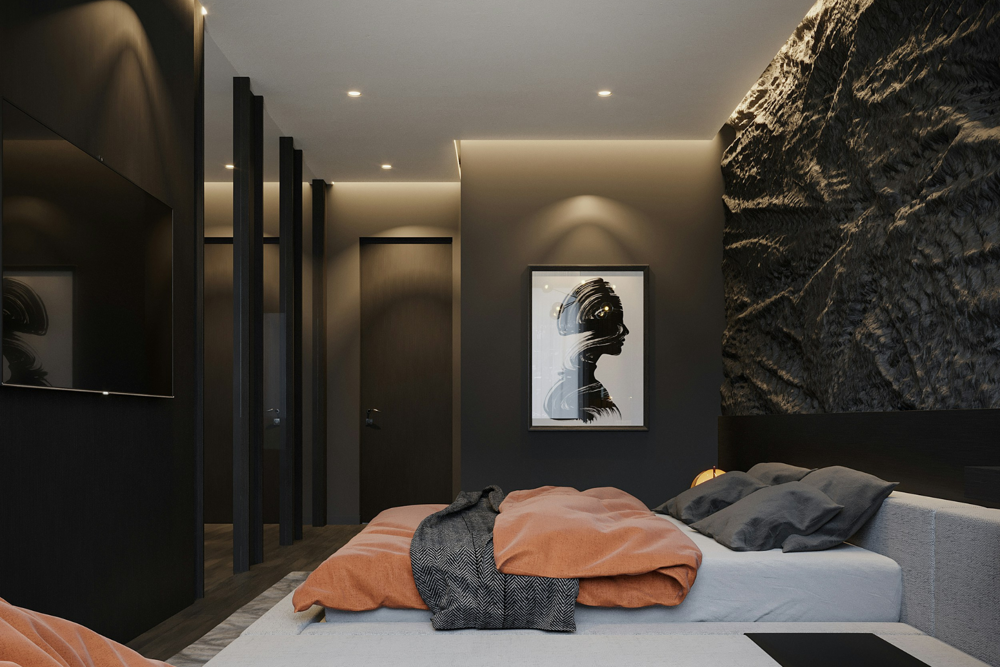
There’s something undeniably bold about a black room. It’s rich, moody, and surprisingly cozy—when done right. But if you’ve ever stood in a paint aisle debating between “Off-Black” and “Charcoal Eclipse,” unsure if you’re about to create a dramatic haven or a claustrophobic cave, you’re not alone.
Painting a room black (or almost black) isn’t a hasty weekend decision—it’s a commitment. It’s also one of the most misunderstood moves in home design. Done well, it can make a space feel intimate, architectural, and elevated. Done poorly? Let’s just say lighting and finish choices matter a lot more than you might think.
Let’s walk through what really matters before you grab that brush.
Start here: not all black paints are created equal. There’s cool black with blue or green undertones, warm black with red or brown hints, and soft blacks that lean deep gray. The key is choosing the right undertone for your space, natural light, and vibe.
These dark shades give you the drama without swallowing the room whole.
Studies show darker colors can increase the perception of intimacy and coziness in a space—but they also absorb light, which can make small or low-light rooms feel tighter if not balanced properly.
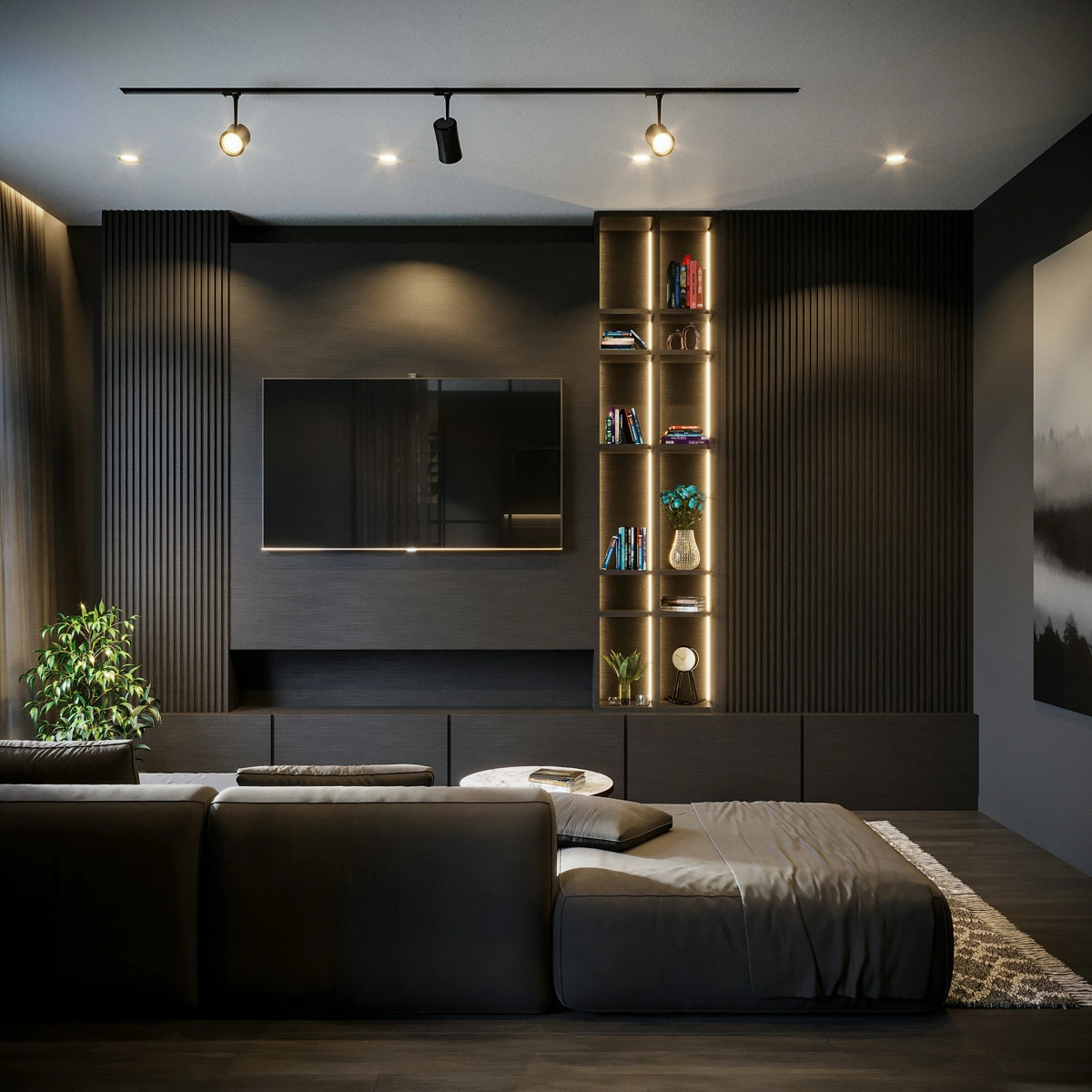
A common myth is that black only works in rooms with huge, sun-drenched windows. Not true—but lighting strategy does matter. Even in naturally lit spaces, black absorbs light instead of bouncing it, which changes how the room feels hour to hour.
Here’s how to work with it:
Dark walls love a well-placed sconce or strategically aimed floor lamp. Think of your lighting plan as the room’s new best friend.
Going black doesn’t mean every wall has to wear it. You can:
Balance is key. A black room doesn’t have to feel heavy—if it’s styled thoughtfully, it can feel surprisingly spacious.
Dark paint is far less forgiving than neutrals when it comes to patchy walls or uneven textures. Every bump, scratch, or missed spot will catch the light—and your attention.
Here’s what matters:
Also, choose high-quality brushes or rollers. Cheap tools often leave streaks, and with a color this bold, there’s no hiding mistakes.
Once the walls go dark, your furniture and art will look different. Bright colors pop more, wood tones deepen, and metallics like brass or chrome start to glow. Black is a strong backdrop. It can:
This is the part most people don’t anticipate—but once you live with it, it’s part of the magic.
Black or nearly-black walls can serve as a powerful gallery backdrop. Art with white mats or colorful palettes will immediately draw the eye, adding contrast without clutter.
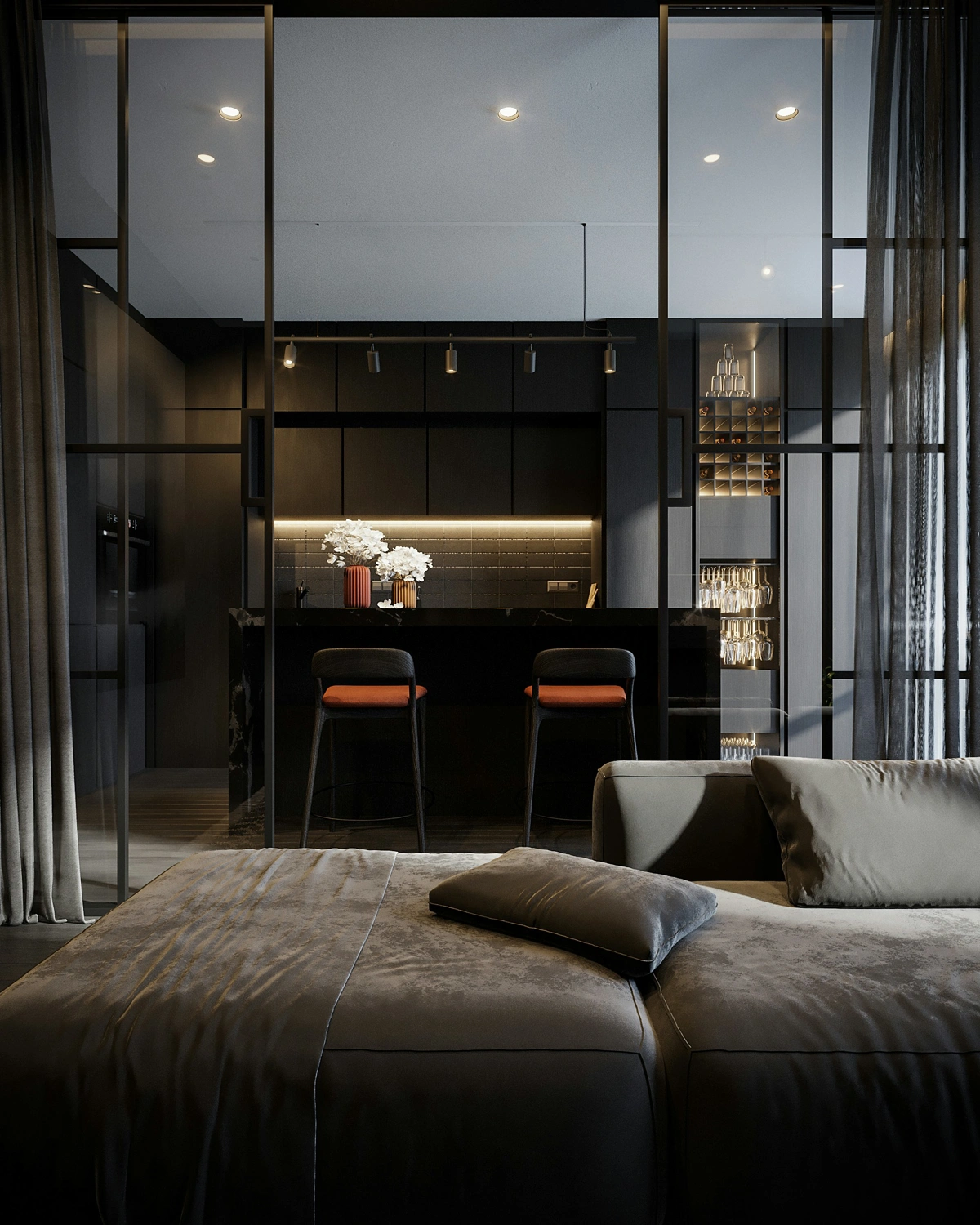
Yes, black can be moody—but it can also be calm, cozy, modern, even airy (yes, airy) when used right. It's all about contrast and context.
So don’t assume you need a dramatic aesthetic to pull it off. The trick is pairing it with natural textures, soft textiles, and intentional lighting.
Let’s talk truth: black walls can show dust, smudges, and scuffs more than you might expect—especially with matte finishes. But that doesn’t mean they’re high-maintenance, just differently maintained.
Tips to stay ahead of it:
Once you get used to it, it becomes no different than caring for any other painted surface. Just a bit more... visible.
There are a few pitfalls you’ll want to steer clear of when going dark with your walls. Here are some common ones to watch out for:
Painting a room black (or almost black) can feel like a leap—but it’s often more grounded than people expect. When done intentionally, it creates atmosphere, elegance, and unexpected comfort. It doesn’t have to be edgy, trendy, or ultra-modern. It can just be… you.
If you’ve been circling the idea of a dark room but hesitating, here’s your sign: it’s possible to go bold and still feel calm. Just take your time, test your samples in daylight and lamplight, and trust your instincts.
And remember, it’s only paint. You can always change it back—but chances are, you’ll love it enough to leave it.